Skip to content

Black Friday Sale: Up to 40% Off

+ 2 free throw pillows with any East Green outdoor mattress

Cart

 
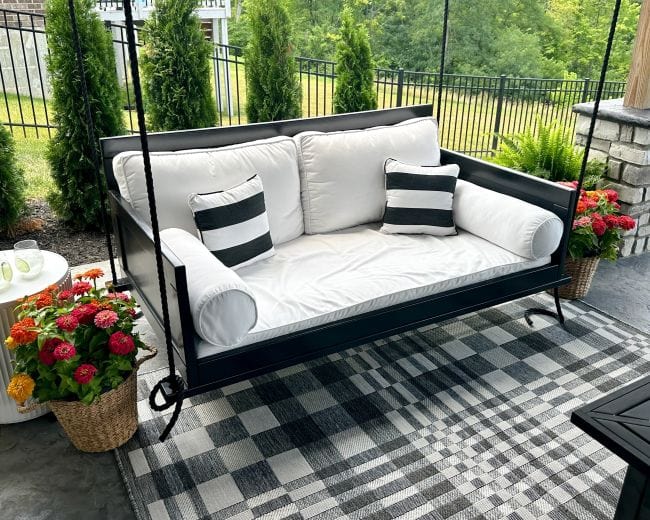
Breezy Acres The Lancaster Daybed Wooden Swing in Black Paint

5 Foot / Tricorn Black / No Clearcoat / Up to 8Ft. Ceiling - Tan / Without Cup Holders / 4 Point

Decrease quantity Increase quantityRemove

Poly Lumber Outdoor Chaise Lounges

Stretch out, settle in, and make a little more time for the outdoors. Poly lumber chaise lounges bring easygoing comfort to poolside patios, sunny decks, and quiet backyard corners. Explore designs from Berlin Gardens and LuxCraft, with adjustable-back options for reading or reclining. Compare materials, dimensions, and comfort features to find a lounger that fits your space and the way you unwind.

Sort By

Berlin Gardens Comfo Back Poly Lumber Chaise LoungeBerlin Gardens Comfo Back Poly Lumber Chaise Lounge

19 colors available

Berlin Gardens Bristol Outdoor Poly Lumber Chaise LoungeBerlin Gardens Bristol Outdoor Poly Lumber Chaise Lounge

Poly Lumber Outdoor Chaise Lounges

Poly lumber outdoor chaise lounges bring the comfort of a stretched-out seat to patios, pool decks, and other outdoor spaces where a quick break can turn into an entire afternoon with a book. Their elongated shape supports the legs as well as the back, making them a different experience from an upright dining chair or a compact lounge chair. A single chaise can give a quiet corner a clear purpose, while a pair beside a small table creates an easy place for conversation without requiring a full seating arrangement. Poly lumber is typically made from high-density polyethylene, often with recycled content, though the exact composition depends on the manufacturer. The material is formed into substantial boards that can suggest the familiar proportions of painted wood without requiring the same routine staining or painting. It does not absorb moisture in the same way untreated wood does, and its resistance to rot and splintering makes it practical around pools and other areas where furniture may come into contact with water. Those qualities do not make every chaise identical: board thickness, frame construction, hardware, and the placement of supports all contribute to how solid a lounge feels in use. Finish matters visually, too. A smooth surface can give a chaise a clean, understated appearance, while a lightly textured finish may offer more of a woodlike look. Neutral colors sit comfortably alongside stone paving, brick, and natural wood accents; deeper or brighter colors can make the lounge a focal point. For households that want outdoor furniture with a consistent, finished appearance and manageable upkeep, poly lumber offers a useful balance of structure, comfort, and everyday practicality. The best fit is a chaise that feels at home in the space rather than simply filling an empty stretch of deck.

The dimensions of a chaise deserve attention beyond its listed width and length. An adjustable back needs room to move, and a lounge that fits neatly when upright may extend much farther when reclined. Space beside the seat matters just as much: someone should be able to approach it, set down a towel, and get seated without stepping over a table or squeezing against a railing. On a narrow porch, the path to the door should remain clear even when the furniture is in use. Near a pool, a chaise arrangement works best when it leaves a straightforward route around the water rather than creating a row of obstacles. Seat height can make a meaningful difference for anyone who finds very low furniture difficult to get into or out of, while usable seat width helps determine whether the lounge feels comfortably roomy. Overall dimensions do not always reveal the space between armrests, so both measurements are worth considering when provided. Backrest positions shape the experience as well. A more upright setting suits reading and conversation, while a deeper recline supports resting; a fully flat position should never be assumed unless it is stated in the specifications. Contoured boards may provide comfortable support without a cushion, but personal preference plays a large role. A properly fitted chaise cushion adds softness without bunching at the bend between the seat and back. Its length, thickness, and attachment points should suit the frame so it stays positioned without interfering with the adjustment mechanism. Armrests offer another point of support, although their height and shape affect how easily someone can settle in or stand up. For a shared household, these details help a chaise serve people with different routines, from a reader who stays upright to someone who prefers to put their feet up after a swim. Wheels, when included in a design, can make repositioning easier, while the weight of the frame matters if the furniture will be moved frequently.

Keeping poly lumber chaise lounges looking cared for generally involves simple, regular attention rather than refinishing. Mild soap, water, and a soft cloth or soft-bristle brush are often suitable for routine cleaning, but the manufacturer's care directions should take priority. Textured surfaces, spaces between boards, and the area around adjustment hardware can collect sunscreen residue, crumbs, and other debris that is easier to remove before it builds up. After use around a pool, rinsing away splashed pool water can also help keep surfaces and hardware clean. Abrasive tools, harsh solvents, and pressure washing may damage a finish or affect components, so they should not be treated as universal shortcuts. Cushions need their own care routine, including attention to the fabric instructions and enough drying time before being put away. Hardware deserves an occasional check, particularly on an adjustable lounge: fasteners should remain secure, and the backrest should settle properly into its intended supports before anyone leans against it. Even a substantial chaise benefits from a level surface that supports the frame evenly rather than leaving one leg perched on the edge of a paver. Protective feet, where compatible, can help reduce scraping on finished surfaces. Beyond upkeep, a thoughtful arrangement makes these lounges more useful day to day. A reachable side table gives glasses, a phone, and a book a place to land without crowding the seat, while a nearby upright chair accommodates someone who prefers not to recline. Coordinating a chaise with the broader Poly Lumber Outdoor Furniture collection can create a cohesive setting without making every piece identical; related colors or similar frame lines are often enough to connect separate seating areas. For a housewarming gift or a shared family purchase, confirmed measurements and the recipient's seating preferences matter more than a surprising color choice. A well-chosen poly lumber chaise becomes a familiar place to pause, with proportions that suit its user, materials that suit its setting, and care requirements that fit comfortably into everyday life.

Frequently Asked Questions