

Skip to content

Cart

Your cart is empty

Best Rope For Swing

Finding the best rope for a swing starts with checking the required length, load rating, and attachment method for your setup. Compare swing rope options with those requirements in mind, and follow your swing manufacturer’s guidance to confirm compatibility with your swing, mounting hardware, and support structure.

Sort By

Best Rope For Swing

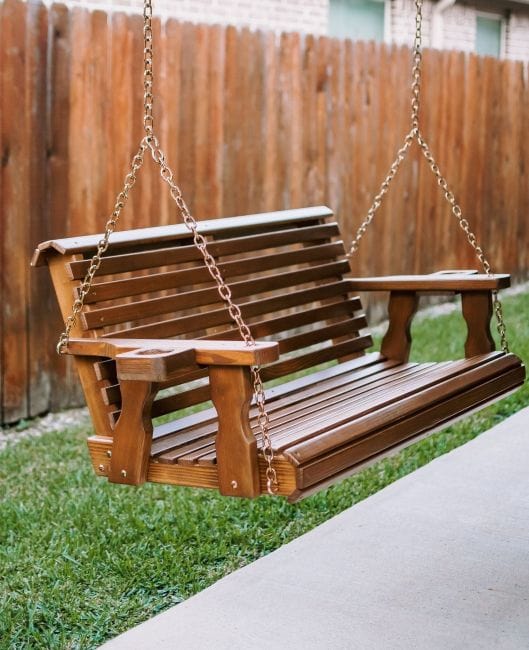
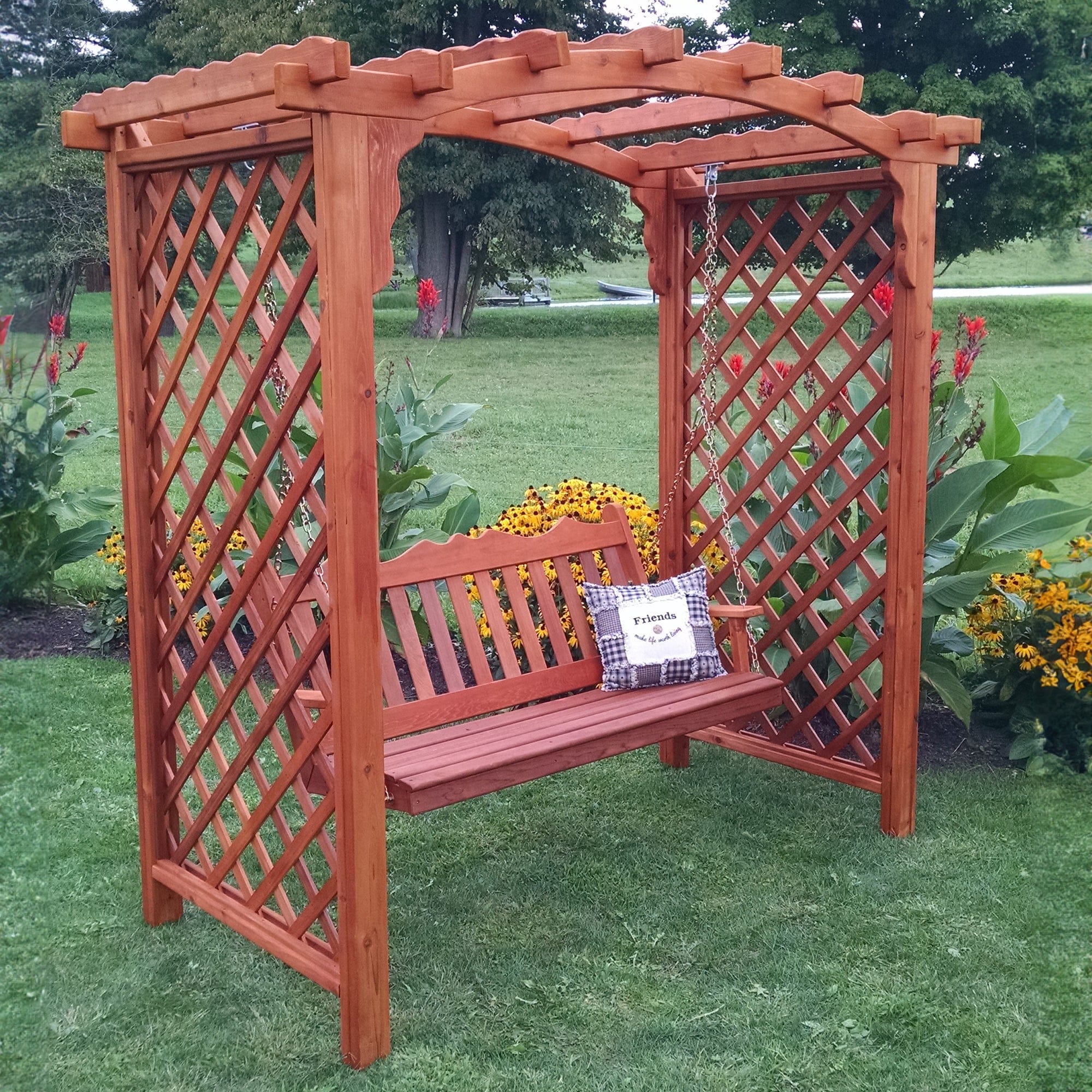
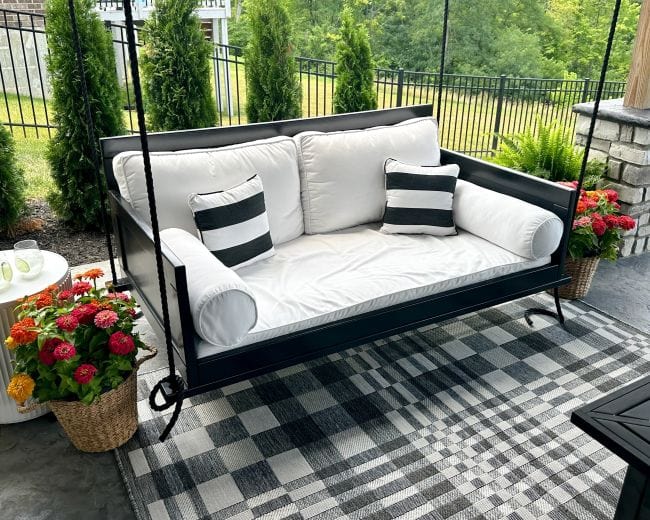
The best rope for a swing combines dependable support with a feel and appearance that suit the place where people gather. On a porch swing, rope is both a working part of the suspension and a visible detail: the lines frame the seat, soften the look of its hardware, and help establish the character of the whole space. A substantial, neatly finished rope can complement a broad wooden bench, while a smoother braid can create a cleaner look around a compact seat. Appearance matters, but material, construction, and suitability for supporting a moving swing matter more. Polyester is often considered for applications where relatively low stretch and good abrasion resistance are useful, provided the particular rope meets the swing manufacturer’s requirements. Nylon generally has more stretch, which can affect seat height and the feel of the suspension under load. Polypropylene is lightweight and absorbs little water, although those qualities alone do not establish whether a rope is suitable for a swing. Natural-fiber rope offers a traditional texture, but its appearance should never be mistaken for evidence of adequate strength or durability. Decorative rope and rope intended for load-bearing use are not interchangeable. Construction makes a difference, too. Twisted rope has a familiar, textured profile, while braided constructions can offer a smoother surface; flexibility, handling, and resistance to wear vary with the actual fiber and design. A comfortable hand feel is welcome wherever someone may touch the suspension while settling into the seat, but soft texture is only one consideration. The right match also needs documented specifications, compatible attachment methods, and a diameter that works with the swing’s hardware. For a reading corner, a conversation spot, or a seat overlooking the yard, good rope should support the intended use without making its owner choose between a pleasing finish and a properly specified suspension system.

Fit involves much more than choosing a rope that looks thick enough. The distance from the supporting structure to the seat, the number and position of suspension points, and the manufacturer’s attachment requirements all affect the length and configuration needed. A two-point bench swing and a seat with separate front and rear connections may require different arrangements, even when their overall dimensions are similar. Advertised rope length is not necessarily the finished hanging length, because approved terminations and connections can consume part of that measurement. Stretch under load can also change the final seat position. A comfortable setup leaves the clearance specified for the swing and allows its movement without contact with nearby railings, walls, or furniture. Diameter has its own practical consequences: rope must fit the intended connectors without being pinched, forced around an unsuitable bend, or pulled against a sharp edge. Larger diameter does not automatically mean a safer installation, and a thin-looking line should not be judged by appearance alone. Published breaking strength is not a usable swing weight limit. The acceptable load depends on the complete assembly, including the rope, its terminations, connectors, mounting hardware, and supporting structure, with movement adding forces beyond the occupants’ stationary weight. Knots can reduce rope strength, and not every knot is suitable for every fiber or construction. Manufacturer-approved attachment methods and qualified installation are especially important when the condition or capacity of the support is uncertain. Different seat styles bring different demands as well. Rope needs for tire seats can be explored separately on Best Rope for Tire Swing, since a tire’s attachment points and orientation differ from those of a bench-style porch swing. Whether the seat is intended for one person or shared conversation, the suspension needs to match that specific design rather than borrow assumptions from another kind of swing.

Durability becomes most noticeable in the small details of everyday use: a line rubbing against a connector, a rough surface near an attachment point, or a section that repeatedly bends in the same place. Rope selected for swing suspension needs to be suitable for the installation environment and the expected pattern of use, not simply strong when new. Abrasion resistance is valuable, but no fiber should be expected to tolerate continuous rubbing against a sharp or damaged surface. Protective components may help where the manufacturer specifies them, though they cannot make an unsuitable attachment safe. Routine care is generally straightforward when it follows the rope maker’s directions. Dirt and grit deserve attention because particles can work into the fibers, and cleaners, solvents, or treatments should never be assumed compatible without confirmation. Inspection needs to include the full accessible length as well as areas near fittings and terminations. Cut strands, pronounced fuzzing, flattened sections, glazing, unusual stiffness, or a change in the rope’s shape are reasons to stop using the swing until its suspension has been evaluated. Some deterioration is not obvious from the surface, so replacement intervals and any limits on service life remain important even when a rope looks tidy. A replacement also needs to match the required specifications rather than merely resemble the previous line. For households with children, a well-designed arrangement avoids loose loops and dangling excess rope, while the swing itself remains appropriate for the users and level of supervision involved. As a gift for someone refreshing a favorite porch seat, rope is most useful when the exact requirements have already been confirmed with the owner. That attention to fit makes a practical improvement feel thoughtful: a familiar bench can retain its character while receiving the correctly specified support it needs. The most satisfying choice brings together suitable materials, compatible hardware, manageable care, and a finished appearance that belongs with the seat.